
You know you should be content or happy, but you just aren’t. You’re not sure why. Learn how Share with a Counsellor depression counseling can help.
Depression- is a severe mood disorder that affects many people. Some common side effects of depression are difficulties functioning, maintaining social relationships and loss of interest in normal daily activities. Depression, major depressive disorder, and other related mental disorders impact a person’s ability to participate in day-to-day activities such as eating, sleeping, or going to work, (rawpixel.com).
Signs of Depression- The following are some common symptoms of depression: a consistent feeling of sadness and low mood; a sense of hopelessness; persistent guilt or feelings of worthlessness; irritability; sleeping too little or too much; decreased or increased appetite; lack of pleasure in activities a person once enjoyed; moving or speaking slowly; and thoughts of suicide or an action plan to end one’s life, (Better Help Website). Therefore, if you occasionally feel like a dark cloud has come over you, making it extremely difficult to feel motivated to start your day, and not able to smile and feel happy like others you could be depressed. When you get this way, you’re thinking becomes negative. You notice you start to judge yourself. You don’t like that you’re feeling down, and you wish you could control it. Since you can’t control the dark cloud feeling, you become anxious about it, you get mad that it’s there. You think you ‘should’ be able to snap out of it but it's not happening, you need help do not any further.
On the set of depression-For a person to have depression, a major depressive disorder, or related diagnosis, they must exhibit signs of depression symptoms for at least two weeks. If you exhibit the symptoms of depression on the above list for two weeks or more, you could be suffering from depression, ( rawpixel.com).
Treatment of Depression- It is treatable with the right care, and a therapist can support you to get the help you need and start feeling better. They can help you learn about how depression affects your body and mind, and find ways to cope with your mental health condition. When you know how to deal with depression, it’s possible to live a great life. It’s crucial to seek the help of a mental health professional so you can get treatment, ( rawpixel.com).
Diagnosis-A mental health professional can help you diagnose what type of depression you have. It’s important to report your exact symptoms to your provider so they can make an accurate diagnosis. Withholding information could prolong your suffering, and make it harder for them to help. Be honest about what you are experiencing so your therapist or doctor can make an accurate diagnosis and give you the best treatment options.
Types of Depression-There are several forms of depression and they are distinguished by their symptoms. Before you seek treatment, it’s important to recognize the signs of depression. (Better Help Website). Other related disorders- The following is a list of depression, major depressive disorder, and mental health topics related to this chronic illness (rawpixel.com).
- Major Depressive Disorder (MDD)/ Clinical depression - Is a long-term and debilitating form of depression where people experience persistent feelings of loss of interest and can have trouble participating in normal daily life.
- Bipolar Disorder (BPD) - Bipolar Disorder is also a long-term form of depression that was formerly known as “manic depressive disorder.” People experiencing BPD have intense mood swings that vacillate back and forth between extremely high, to extremely low.
- Seasonal Affective Disorder (SAD) - A form of temporary depression where the loss of interest in activities and socializing occurs. It can affect both older adults and young people. The distinguishing trait is that it occurs at specific times of the year. This is normally related to seasonal changes - like when people experience feeling lonely or anxious around the holidays.
- Postpartum Depression - This is a temporary form of depression that occurs in women who have recently given birth. Research shows that new fathers can experience postpartum depression too (for similar reasons, such as exhaustion due to lack of sleep, complex new emotions from parenthood,( etc.). Symptoms of postpartum depression include - loss of interest in everyday activities, suicidal thoughts, and trouble making decisions or thinking clearly.
- Psychotic Depression - This is a form of Major Depressive Disorder (MDD) that is aggravated by the presence of one or more psychotic symptoms. These symptoms include hallucinations, hearing voices, or any other serious break from reality.
- Post-Traumatic Stress Disorder (PTSD) - PTSD is an aggravated form of mental illness that can present itself individually or in conjunction with other mental problems like depression. Experiencing or witnessing a terrifying event can leave an imprint on the brain and cause PTSD. PTSD is related to people experiencing high levels of anxiety long after the triggering event has passed.
- Post-Traumatic Stress Disorder (PTSD) - PTSD is an aggravated form of mental illness that can present itself individually or in conjunction with other mental problems like depression. Experiencing or witnessing a terrifying event can leave an imprint on the brain and cause PTSD. PTSD is related to people experiencing high levels of anxiety long after the triggering event has passed.
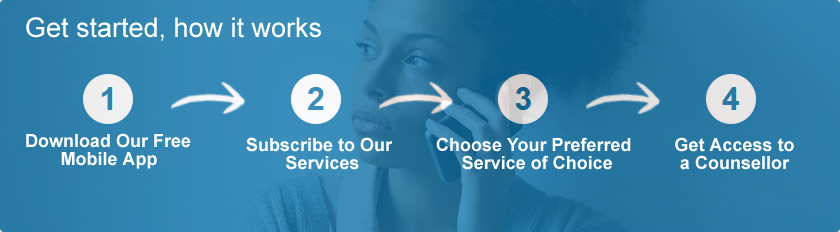
Share with a Counsellor is a counselling agency with specialized counsellors and psychologist to support you anytime you feel overwhelmed by unclear emotions for a while, it could be a form of depression. Assessment will be done and appropriate intervention recommended, or referral for pharmacological/ medical care is done. As counsellors who provide depression counselling, we know it can be a confusing issue. Many people don’t understand that you can’t just ‘snap out of it’. There’s no magic solution, but, you should know that you are not alone. There are options available to you right on your phone via Share with a Counsellor Mobile Phone App, keep it ready for use, because you will never know when to make that life-saving call.